
 Create Shivah
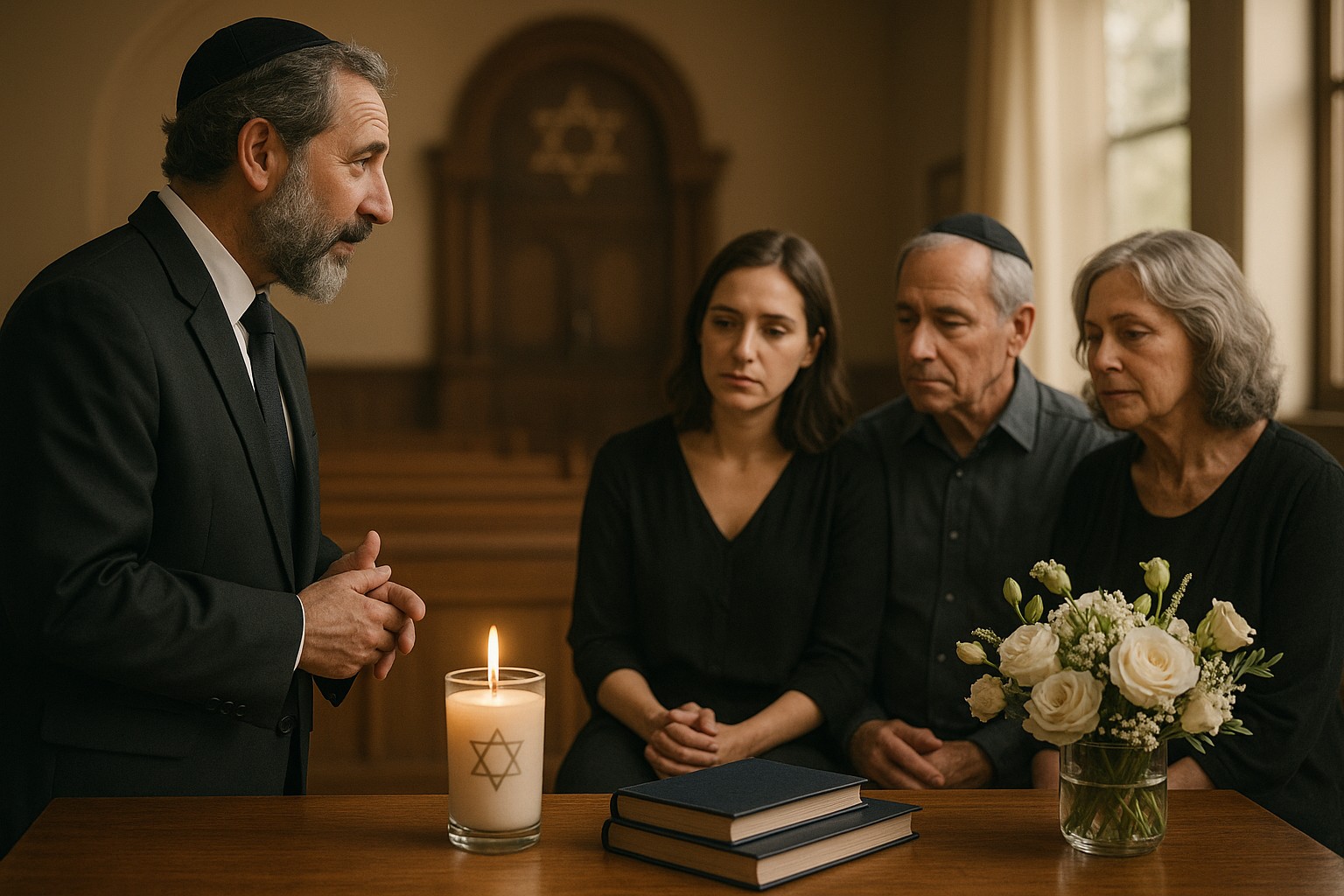
Coordinating with Your Synagogue, Funeral Home, and Rabbi
Losing a loved one is one of the most difficult experiences we face. Amid grief, the thought of planning a shiva can feel like too much to manage. Fortunately, you don’t have to do it alone. Synagogues, funeral homes, and rabbis are here to support you — not only with logistics, but with compassion, tradition, and spiritual care.
Here’s how these trusted partners can help you plan a meaningful and seamless shiva:
1. Your Rabbi Is Your Go-To Point of Contact
Start by identifying your primary point of contact — usually your synagogue or rabbi. They can walk you through the necessary steps with sensitivity and clarity, including:
- Coordinating funeral and shiva dates
- Arranging someone to lead services (minyan)
- Offering guidance on customs that align with your family's traditions
A caring rabbi understands the emotional weight of this time and will help you carry it with grace.
2. Let the Funeral Home Support You
Funeral homes often work in close partnership with synagogues and rabbis. They can assist with:
- Scheduling the burial, which determines when shiva begins
- Providing printed materials like announcements or prayer cards
- Communicating directly with clergy and the synagogue on your behalf
Ask what services they offer beyond the funeral — many provide more support than you might expect.
3. Clarify What You Need for Religious Rituals
Every family observes shiva differently. Your synagogue or rabbi can help you prepare for rituals such as:
- Hosting daily services at home or online
- Identifying someone to lead prayers — or guiding a family member to do so
- Supplying prayer books, kippot, or even a Torah scroll if appropriate
They can also explain which customs are essential and which can be adapted, especially if you’re navigating this for the first time.
4. Minyan Support and Attendance
It’s common to worry about having enough people for a minyan (ten Jewish adults). Let your synagogue know — many have volunteers ready to attend and support families in mourning.
You can also use tools like Sitting Shivah to share details and coordinate attendance. If guests are joining virtually, your rabbi may help lead a Zoom service or provide guidance on how to host it respectfully.
5. Rabbis and Clergy Are Here for You
Clergy offer more than just religious services. They can:
- Help craft a eulogy or facilitate a memory-sharing moment
- Visit during shiva to provide comfort and companionship
- Explain mourning traditions to friends and family unfamiliar with Jewish customs
They are by your side not just as leaders, but as compassionate guides.
6. Explore Technology Options
If some friends or family can’t be there in person, ask about livestream or Zoom services. Many synagogues are equipped to:
- Host or support a virtual minyan
- Provide a service link and technical help
- Ensure the experience is inclusive and respectful for all
7. You Are Not Alone
Above all, remember: you do not have to do this alone. Your synagogue, funeral home, and rabbi are there to walk with you through this time. There is no one "right" way to do shiva. Whatever your family’s needs, you can lean on these caring partners to help you honor your loved one with dignity and love.